



As real-time technology continues to influence the job market, candidates traditionally associated with game development are now in high demand across multiple industries. Every hero’s journey starts with a first step—and it’s often a 3D animator making it happen. Whether you’re creating the next Avengers or a new Animal Crossing, 3D animators are required to turn stills into stories by using keyframes to create movement. This helps convey everything from how old a character is to the breadth of a ship moving through space.
“A 3D animator is a digital puppeteer,” says Jeremiah Grant, Product Manager for Animating and Rigging in Unreal Engine at Epic Games. “Just as artists like Jim Henson told amazing stories with puppets and Disney’s Nine Old Men brought drawings to life, a 3D animator breathes life into characters through a computer. Not limited to only animating people, 3D animators may be asked to animate anything—think of the brooms in Fantasia or the magic carpet in Aladdin.”
Character Animation
Setting up a digital skeleton for characters, allowing them to be animated.
Storyboarding and Pre-Visualization
Creating visual representations of scenes to plan the animation sequence.
skills that are need to be a 3D animator
Artistic Skills
Problem-Solving
Communication
frequently asked question
What is a 3D Animator?
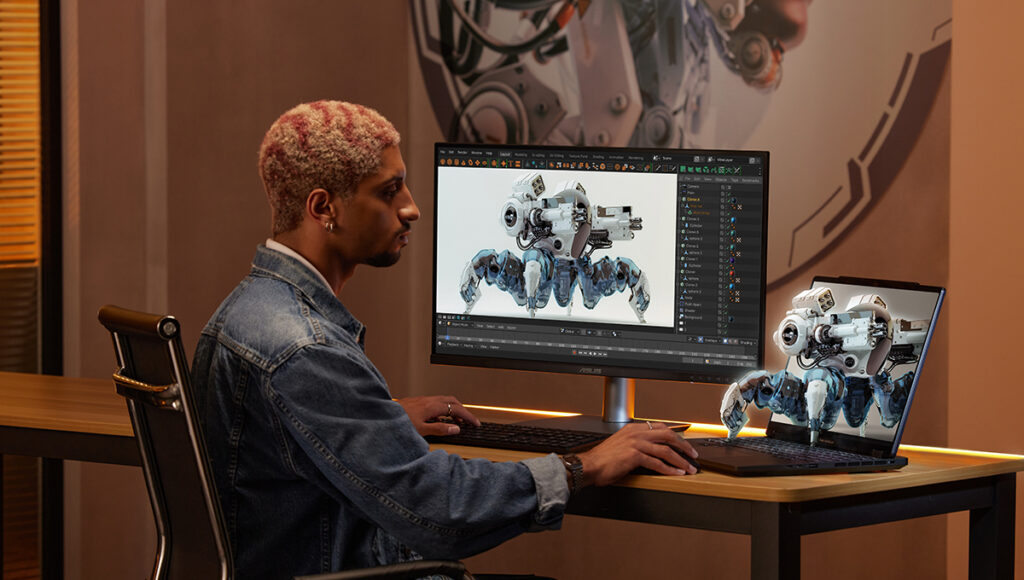
A 3D animator is a professional who creates three-dimensional visual content by designing and animating characters, objects, and environments. This involves using specialized software to bring digital creations to life for various media such as films, video games, commercials, and virtual reality.
What software do 3D animators typically use?
Autodesk Maya: For character animation, modeling, and rendering. Blender: A free, open-source tool for 3D modeling, animation, and rendering. 3ds Max: Known for its modeling and animation capabilities. Cinema 4D: Popular for motion graphics and visual effects. Houdini: Used for complex simulations and visual effects.
What skills are required to be a successful 3D animator?
Technical Proficiency: Knowledge of 3D animation software and basic scripting. Artistic Ability: Understanding of movement principles, anatomy, and visual storytelling. Attention to Detail: Ability to refine animations to achieve high-quality results. Problem-Solving: Creative solutions for complex animation challenges. Communication: Effective collaboration with team members and responsiveness to feedback.