


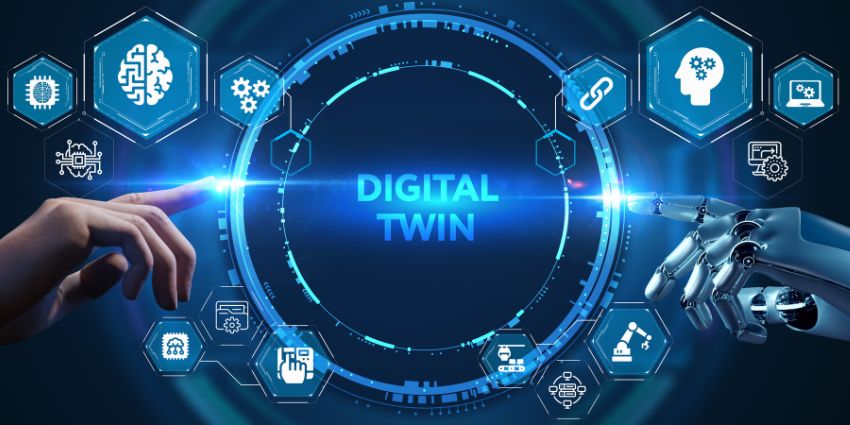
A digital twin in AI refers to a virtual representation or digital replica of a physical object, system, or process. It is a concept that combines data from the physical world with advanced analytics and machine learning techniques to create a digital counterpart that mirrors the real-world counterpart.
A digital twin is a virtual model that captures the characteristics, behaviors, and attributes of a physical entity, such as a product, equipment, infrastructure, or even an entire ecosystem. It is connected to its physical counterpart and continuously receives real-time data from sensors, IoT devices, and other sources. This data is used to update and maintain the digital twin’s representation of the physical object, By continuously monitoring and analyzing data, the digital twin can identify anomalies, predict failures, and optimize performance. It enables proactive maintenance, process optimization, and predictive decision-making for the physical object it represents.
Real-time data integration
Continuous data streaming from sensors and IoT devices keeps the digital twin in sync with its physical counterpart.
Monitoring and optimization
The digital twin enables proactive maintenance, optimization, and predictive decision-making.
The Importance of Digital Twin
Performance Monitoring
Predictive Analytics
Training and Development
frequently asked question
How does a digital twin work?
A digital twin works by integrating real-time data from sensors, IoT devices, and other sources with a virtual model. Advanced analytics and machine learning techniques are applied to analyze the data and simulate scenarios for optimization and decision-making.
What are the benefits of using digital twins?
Digital twins offer several benefits, including improved understanding and visualization, real-time monitoring, predictive analytics, proactive maintenance, optimized performance, reduced costs and risks, accelerated innovation, enhanced collaboration, and sustainability.
How can digital twins improve maintenance processes?
Digital twins enable proactive maintenance by predicting maintenance needs, identifying anomalies, and optimizing maintenance schedules. This helps reduce downtime, extend asset lifespan, and improve maintenance efficiency.